Laser Marking in Automotive Manufacturing: Traceability and Quality Control

The Role of Laser Marking in Modern Automotive Production
Automotive manufacturing demands the highest standards of traceability, durability, and precision. Laser marking has become the industry standard for permanent part identification, meeting stringent regulatory requirements while delivering unmatched speed and reliability.
Key Applications in Automotive
- VIN Marking: Permanent vehicle identification numbers on chassis and engine blocks
- Component Traceability: QR codes and data matrix codes on engine parts, transmission components, and electronic modules
- Safety-Critical Parts: Brake components, airbag housings, and steering system parts requiring permanent, tamper-proof marking
- Branding and Aesthetics: Logo engraving on trim pieces, dashboard panels, and key fobs
Why Fiber Lasers Dominate Automotive
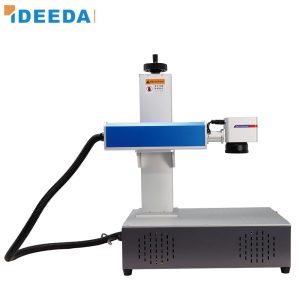
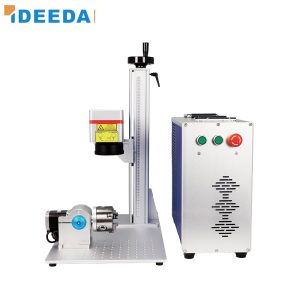
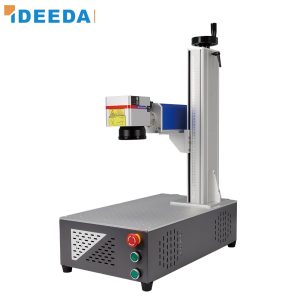
Fiber lasers (20W–100W) are the preferred choice for automotive applications due to their ability to create deep, permanent marks on all common automotive metals — steel, aluminum, cast iron, and titanium alloys. The marks withstand extreme temperatures, oils, solvents, and mechanical wear throughout a vehicle lifespan.
CCD Vision Positioning
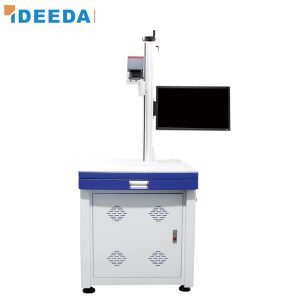
For automated production lines, CCD vision positioning systems ensure precise mark placement within ±0.01mm tolerance, even on parts with slight positioning variations. This technology enables fully automated, lights-out manufacturing workflows.
Compliance and Standards
IDEEDA laser marking machines comply with international automotive quality standards including IATF 16949 traceability requirements, ISO 9001 quality management, and CE safety certification.
Looking to implement laser traceability in your production line? Contact our automotive solutions team for a customized proposal.