Choosing Your Laser Marking Business Model

Your business model determines everything — what equipment you need, who you sell to, and how much you can charge. Here are the three proven models:
Model 1: B2B Industrial Marking Service
What it is: You mark parts, tools, nameplates, and components for manufacturers, machine shops, and industrial clients.
Revenue potential: $50–$150/hour of marking time; contracts worth $2,000–$10,000/month from a single client.
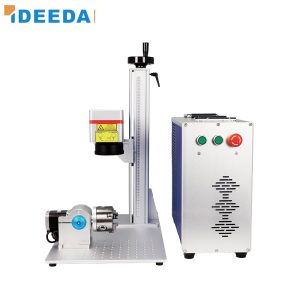
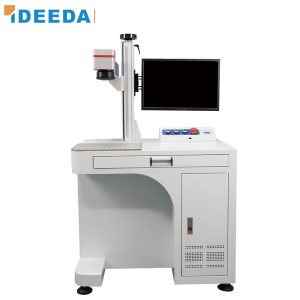
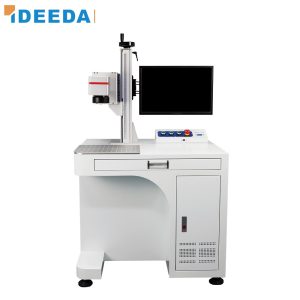
Equipment needed: Fiber laser marker (20–50W), rotary attachment for cylindrical parts.
Pros:
- Recurring revenue from long-term contracts
- Higher per-job revenue
- Less price-sensitive clients (compliance marking is mandatory, not optional)
- Steady workflow once you land accounts
Cons:
- Longer sales cycle (industrial clients take weeks to onboard)
- Higher quality and consistency requirements
- May need to meet specific industry standards
Who it’s for: People with existing connections in manufacturing, engineering, or industrial sales.
Model 2: B2C Custom Products
What it is: You sell personalized engraved products — tumblers, cutting boards, jewelry, phone cases — directly to consumers.
Revenue potential: $30–$75 per item; typical order value $40–$100.
Equipment needed: CO2 laser (for non-metal products) or fiber laser (for metal products), or both.
Pros:
- Fast cash flow (customers pay upfront)
- Low barrier to entry
- Easy to test on Etsy and social media
- Creative and satisfying work
Cons:
- Competitive market with thin margins if you don’t differentiate
- Customer service demands (revisions, returns)
- Seasonal demand spikes (holidays, graduations)
Who it’s for: Creative entrepreneurs who enjoy design and direct customer interaction.
Model 3: Online Store + Dropship Hybrid
What it is: You run an e-commerce store selling custom-marked products. Some you mark yourself; others you fulfill through partner shops.
Revenue potential: Highly variable; scalable with lower marginal effort.
Pros:
- Scalable without proportional labor increase
- Can test products without large inventory
- Multiple revenue streams
Cons:
- Quality control is harder with partners
- Lower margins on dropship items
- Requires strong e-commerce and marketing skills
Who it’s for: Digitally savvy entrepreneurs who want to build a brand, not just a service.